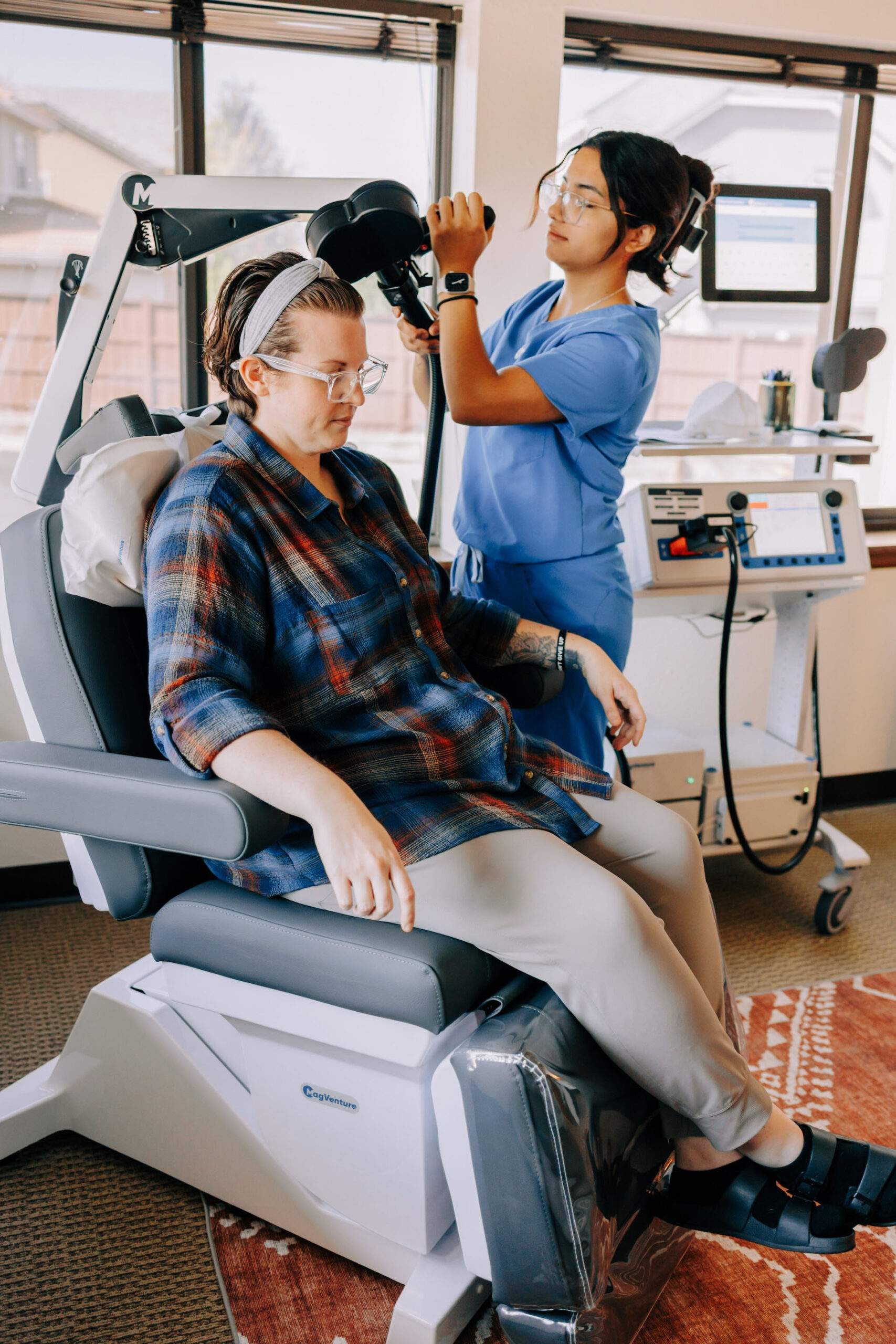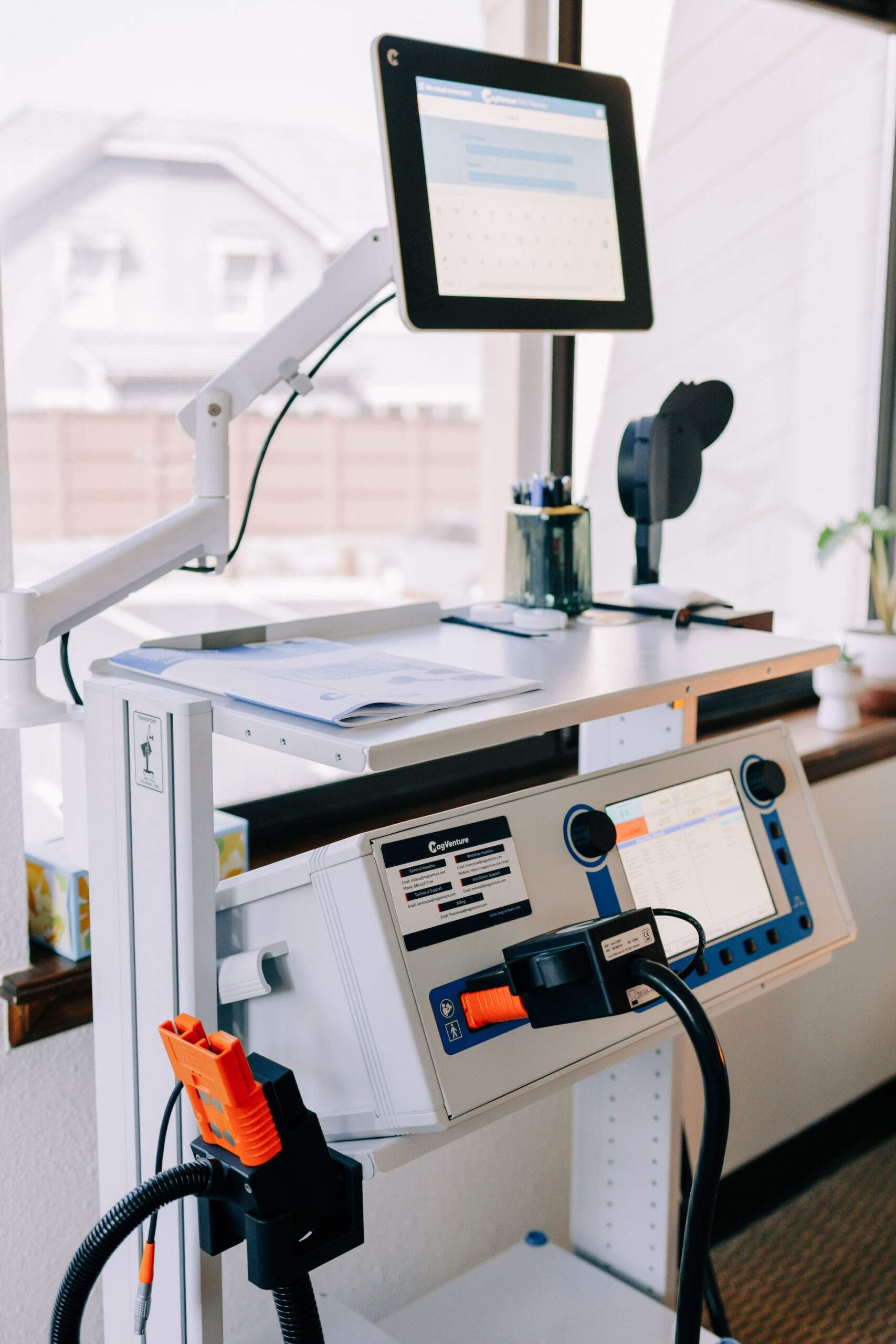
Transcranial Magnetic Stimulation (TMS) is a non-invasive, FDA-cleared treatment for depression, OCD, and other mental health conditions. TMS uses gentle magnetic pulses to stimulate areas of the brain involved in mood regulation and may help people who have not found enough relief from therapy or antidepressant medications.
At Zephyr Behavioral Health & Wellness, we offer both standard and accelerated TMS options, including ONE-D and SAINT-based protocols.
Most insurance plans cover standard TMS treatment for eligible clients with Major Depressive Disorder (MDD), and some plans may cover TMS for OCD. Coverage varies by insurance plan and treatment type, and our team can help verify your benefits and discuss your options.
Conditions TMS May Help Treat
TMS is FDA-cleared for:
- Major Depressive Disorder (MDD)
- Obsessive-Compulsive Disorder (OCD)
While standard TMS is FDA-cleared for depression and OCD, additional TMS protocols may also be used for conditions such as PTSD, anxiety, chronic pain, and other mental health concerns.
Standard & Accelerated TMS Options
At Zephyr, we offer both standard and accelerated TMS options.
Standard TMS
Standard TMS is the most established form of TMS treatment and is commonly used for depression and OCD. Treatment is typically completed over four to six weeks with one session per day, five days per week.
Standard TMS is more commonly covered by insurance for eligible clients and has decades of clinical research supporting its safety and effectiveness.
Accelerated TMS
Accelerated TMS protocols condense treatment into a much shorter timeframe by delivering multiple sessions per day.
At Zephyr, accelerated options may include ONE-D and SAINT-based protocols. Depending on the treatment plan, some people may complete treatment in as little as one to five days instead of several weeks.
The ONE-D protocol also includes two one-time medications administered shortly before treatment to support neuroplasticity, or the brain’s ability to adapt.
Accelerated TMS protocols are typically self-pay and may not be covered by insurance. Our team will help you understand the differences between standard and accelerated TMS and determine which option may be the best fit for your needs.
Why People Consider TMS
People often explore TMS when:
- Antidepressants have not provided enough relief
- Medication side effects have been difficult to tolerate
- They are looking for an alternative approach beyond traditional antidepressants
- A shorter accelerated treatment schedule may better fit their life and responsibilities
TMS can help when therapy or medication haven’t brought enough relief.
What Treatment Looks Like
Treatment begins with a consultation to review your symptoms, treatment history, and insurance coverage. If TMS is a good fit, your care team will create a personalized treatment plan.
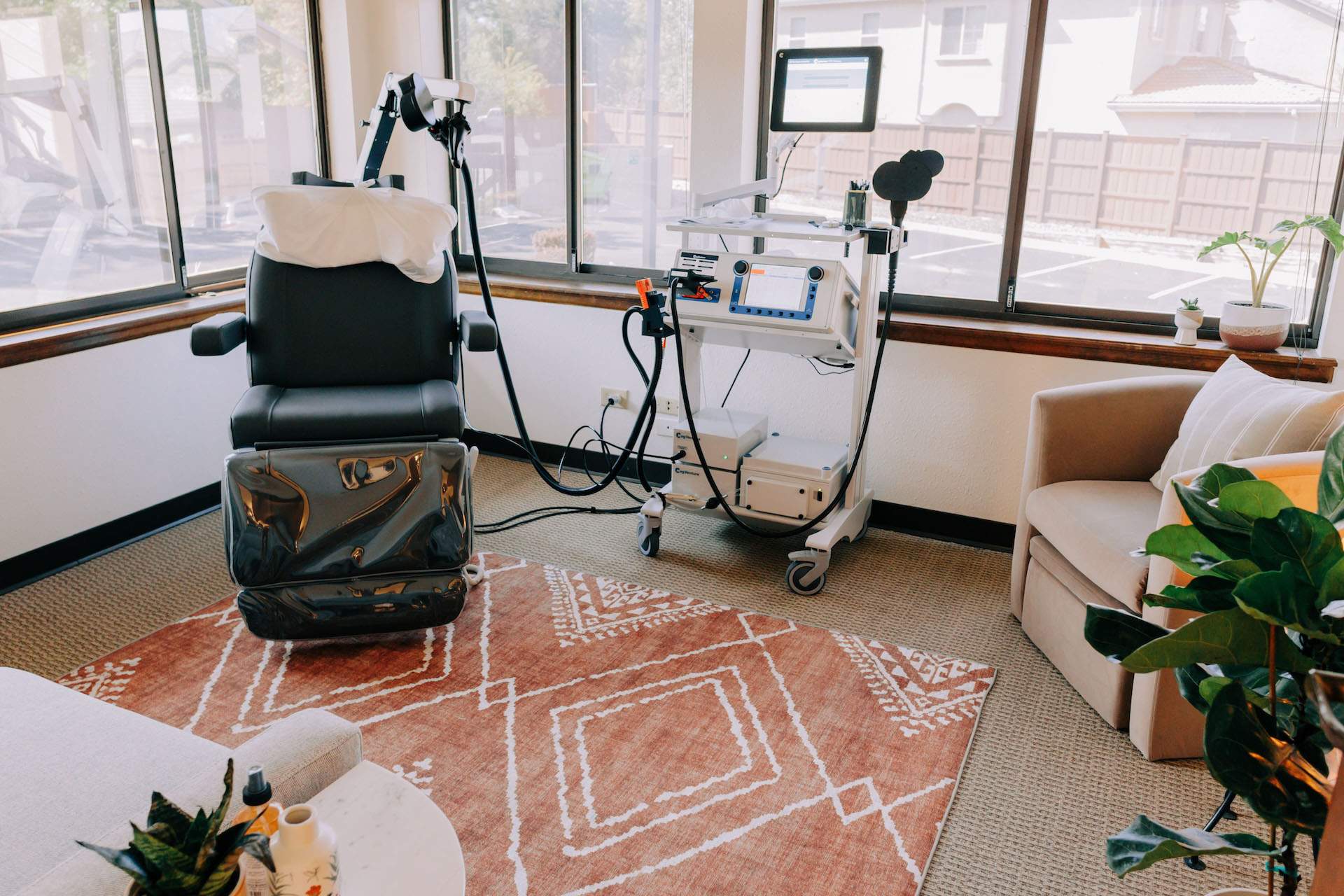
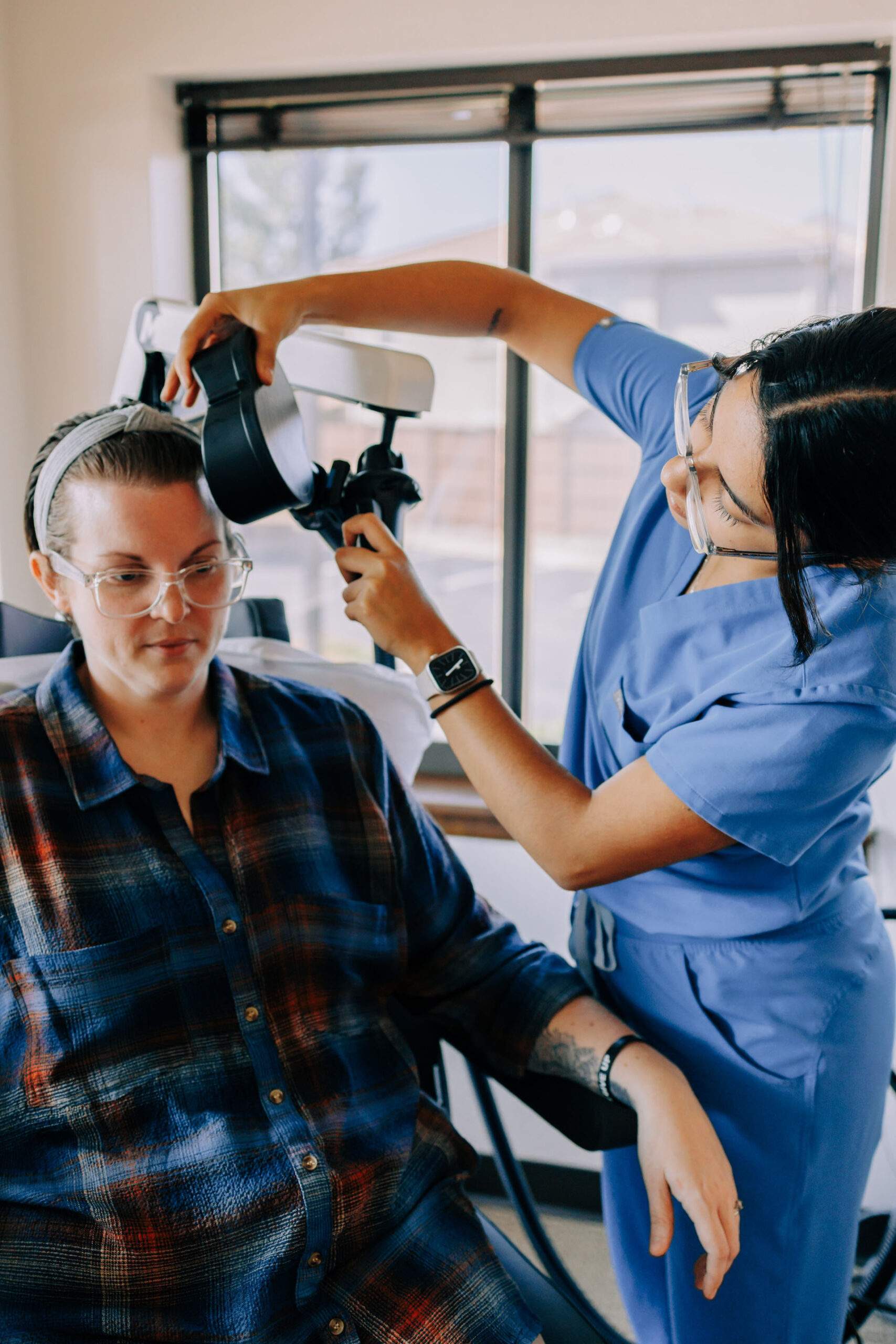
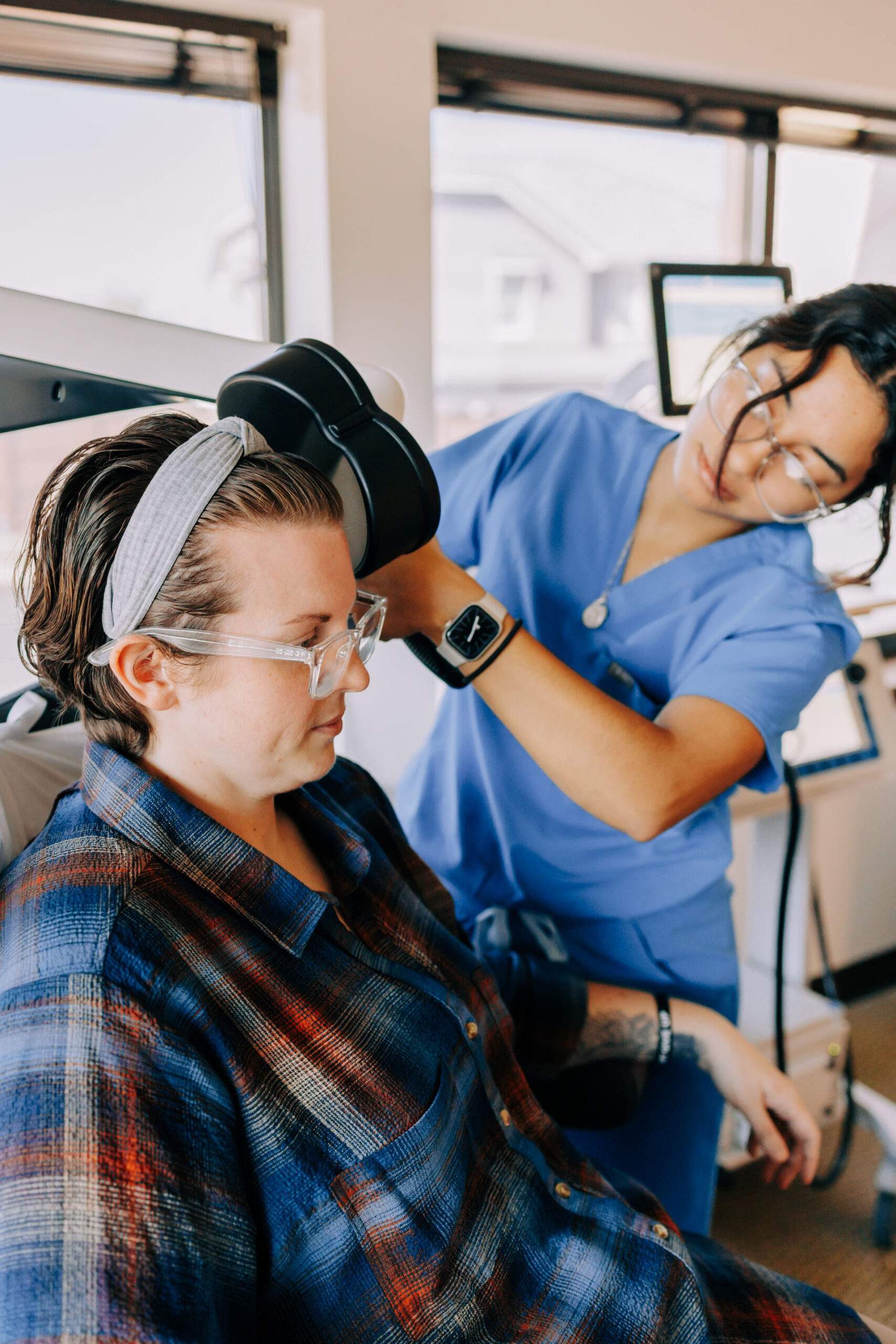
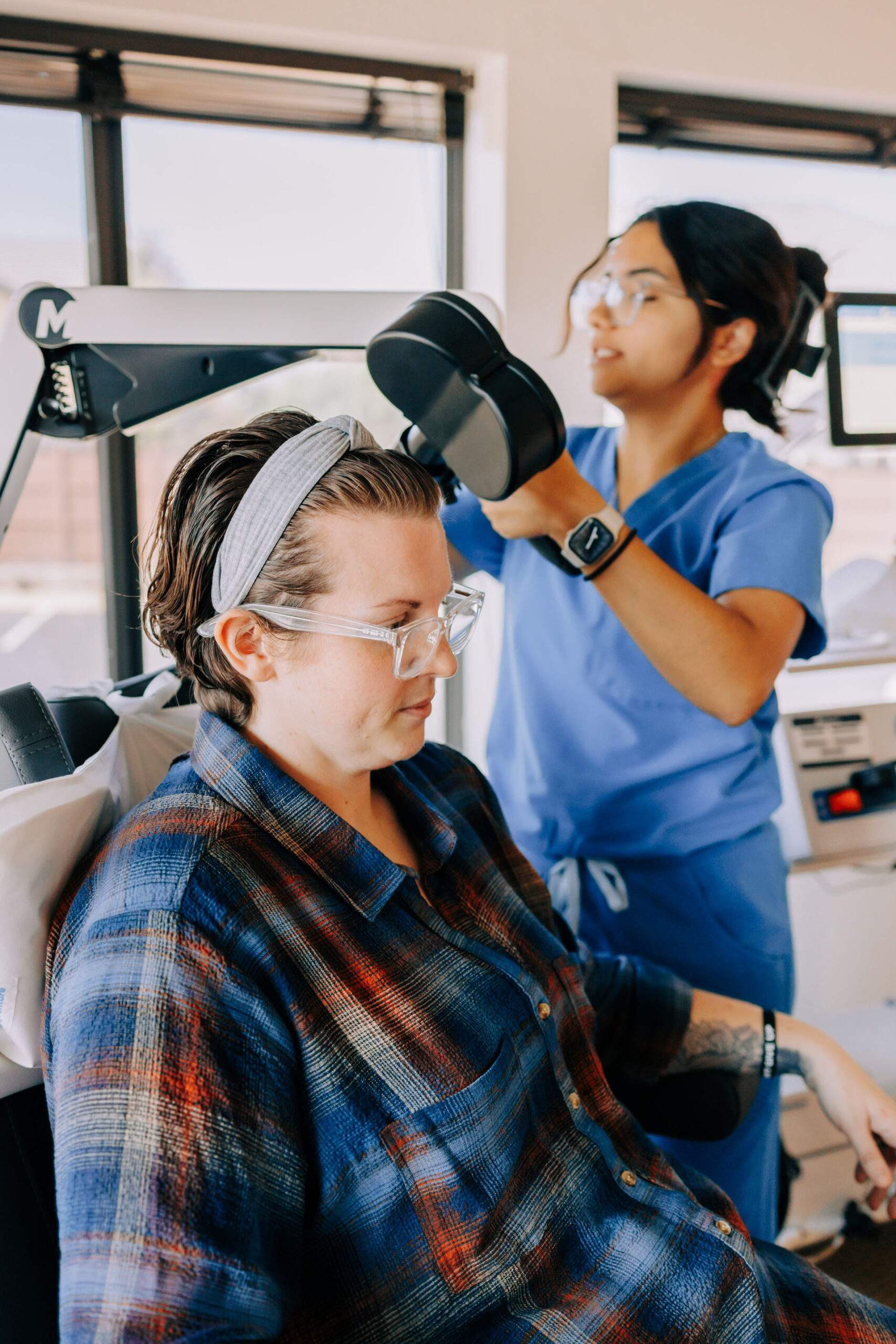
TMS is a non-invasive treatment performed in-office and does not require anesthesia or sedation. Most people are able to return to their normal routine after treatment sessions, with little to no downtime.
Some people may benefit from maintenance sessions over time to help support long-term symptom improvement.
Safety & Side Effects
TMS is considered safe and non-invasive and uses magnetic fields similar to those used in MRI technology.
The most common side effects are typically mild and may include:
- Temporary scalp discomfort
- Mild headache
- Tingling at the treatment site
These side effects usually resolve shortly after treatment.
TMS as Part of Ongoing Care
At Zephyr, TMS can be part of a larger treatment plan that may also include therapy, medication management, or other advanced treatment options.
We want your treatment to fit into your life.
Frequently Asked Questions About TMS
Does insurance cover TMS?
Many insurance plans cover standard TMS treatment for eligible clients with Major Depressive Disorder. Coverage for OCD and accelerated TMS protocols varies depending on the insurance plan and treatment type.
Is TMS painful?
Most people tolerate TMS well. Some experience mild scalp discomfort or headache during treatment, especially early on.
Can I drive after TMS treatment?
Yes. Most people are able to return to work, school, or normal daily activities immediately after treatment sessions.
How long does TMS treatment take?
Standard TMS is typically completed over four to six weeks. Accelerated TMS options may be completed over a much shorter timeframe depending on the protocol used.
Find Relief With TMS Therapy
If you’re considering TMS, we’re here to help you understand your options.
Contact us today to schedule a consultation, review insurance coverage, and learn whether TMS may be right for you.
Transcranial Magnetic Stimulation (TMS) is a non-invasive, FDA-cleared treatment for depression and other mental health conditions. Unlike medications, TMS targets specific areas of the brain involved in mood regulation, helping patients find relief without systemic side effects.
TMS uses focused magnetic pulses to stimulate brain regions, promoting healthy neural activity. Our treatments in Denver are safe, outpatient-based, and typically involve little to no downtime. Schedule an appointment today!
TMS Options
Accelerated TMS (aTMS)
-
- Schedule: Multiple sessions per day over 1–5 days
-
- Benefits:
-
- Fast symptom relief
-
- Minimal disruption to daily life
-
- Low risk of side effects
-
- Benefits:
-
- Considerations:
-
- Protocols are newer and still being studied
-
- Considerations:
Traditional TMS
-
- Schedule: 1 session/day, 5 days/week, for 4–6 weeks
-
- Benefits:
-
- Well-established safety and effectiveness
-
- FDA-cleared for treatment-resistant depression
-
- Benefits:
-
- Considerations:
-
- Requires multi-week commitment
-
- Symptom improvement occurs more gradually
-
- Considerations:
Antidepressant Medications
-
- Schedule: Daily oral medications (SSRIs, SNRIs, etc.)
-
- Benefits:
-
- Widely available and often covered by insurance
-
- Frequently first-line treatment
-
- Benefits:
-
- Considerations:
-
- Side effects: weight gain, sleep changes, sexual dysfunction
-
- May take several weeks to work
-
- About one-third of patients develop treatment-resistant depression
-
- Considerations:
Comparing TMS and Medications
| Treatment | Duration | Key Benefits | Limitations |
|---|---|---|---|
| Accelerated TMS | 1–5 days | Rapid relief, low side effects | Newer protocols, long-term data still emerging |
| Traditional TMS | 4–6 weeks | FDA-cleared, non-invasive | Longer time commitment, slower results |
| Antidepressants | Daily | Accessible, often insurance-covered | Side effects, slower onset, lower response in TRD |
Why Choose TMS?
-
- Safe & Non-Invasive: No anesthesia, no systemic side effects, minimal discomfort
-
- Effective: Works even when medications have failed
-
- Flexible Options: Accelerated treatments allow for faster results, ideal for busy schedules or urgent needs
-
- Supports Ongoing Therapy: TMS can enhance the effectiveness of psychotherapy and other interventions
Who Can Benefit?
-
- Patients with Treatment-Resistant Depression: Even after multiple medication trials
-
- Professionals & Busy Adults: Accelerated schedules minimize time away from work
-
- Medication-Sensitive Patients: Avoid common side effects of antidepressants
-
- Supporters & Family: TMS provides hope and measurable improvement for loved ones struggling with depression
Conditions Treated
-
- Major Depressive Disorder (especially treatment-resistant)
-
- Obsessive-Compulsive Disorder (OCD)
-
- Post-Traumatic Stress Disorder (PTSD)
-
- Bipolar Depression
-
- Chronic Pain & Emerging Mental Health Applications
The Patient Journey
- Consultation: Assessment of symptoms, prior treatments, and goals
- Personalized Plan: Traditional or accelerated TMS based on needs
- Treatment: Outpatient sessions with minimal discomfort
- Follow-Up: Monitoring progress and adjusting care as needed
- Maintenance: Periodic sessions can help prevent relapse
Safety & Side Effects
- Most common: mild headache or scalp discomfort
- Rare risks: seizure (<0.1% with proper screening)
- No systemic medication effects, no weight gain, no cognitive dulling
- Safe for patients already on medications or with medical conditions (after evaluation)
Insurance & Coverage
TMS is increasingly covered by insurance. Our Denver team at Zephyr Behavioral Health helps patients navigate authorizations and coverage to minimize out-of-pocket costs.
Rapid Relief When You Need It
Accelerated TMS is ideal for patients in urgent need of relief. Multiple sessions per day can produce improvements in just a few days, helping patients regain stability and return to daily life more quickly.